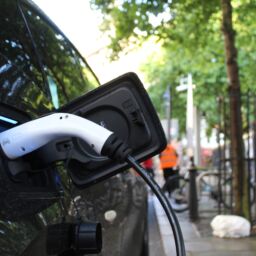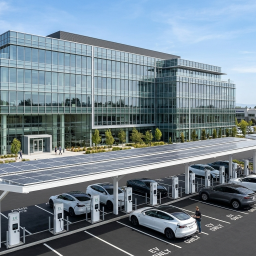


As electric vehicles (EVs) become more common, property managers, retailers, and fleet operators face new challenges. Integrating infrastructure is now a necessity rather than a luxury. Fortunately, adopting EV Charging as a service supports sustainability goals while offering potential revenue streams. Furthermore, Sustainable Capital Finance (SCF) is a leader in this sector, providing innovative financing for commercial solar and EV projects.
How the EV Charging as a Service Model Works
EV Charging as a service (CaaS) is a business model that removes the burden of significant upfront investments. Under this model, third-party providers handle the installation and maintenance of charging stations. Specifically, businesses simply pay for the service or the electricity consumed. According to Forbes, this model is rapidly becoming the standard for commercial electrification. As a result, this approach minimizes capital expenditures and simplifies the path to green energy.
Benefits for Property Managers and Retailers
Enhanced Customer Attraction First
First, installing EV stations enhances the customer experience. Shopping centers that offer charging facilities attract high-value, EV-driving customers. Consequently, this often increases foot traffic and sales. In addition, chargers make properties more appealing to modern tenants who prioritize sustainability.
Revenue Generation via EV Charging as a Service
Moreover, EV infrastructure presents new revenue opportunities. You can partner with providers to share in charging fee profits. For example, 7-Eleven is developing its own network to capture more market share. By utilizing EV Charging as a service, you ensure your business stays competitive without the technical headache. To see how this fits into a broader energy strategy, explore our commercial solar solutions.
EV Charging as a Service for Fleet Efficiency

Operational Savings
Transitioning to electric fleets leads to reduced fuel and maintenance expenses. Smart solutions allow operators to schedule charging during off-peak hours. In turn, this reduces energy costs and minimizes grid impact. To help with planning, you can use the U.S. Department of Energy station locator to map your regional infrastructure needs effectively.
Regulatory Compliance
Meanwhile, stricter emission regulations are appearing worldwide. Transitioning to electric fleets helps operators avoid heavy penalties. In California, for instance, the Advanced Clean Fleets Regulation requires immediate action. Therefore, EV Charging as a service provides the scalability needed to meet these growing regulatory demands.
Financing EV Charging as a Service with SCF
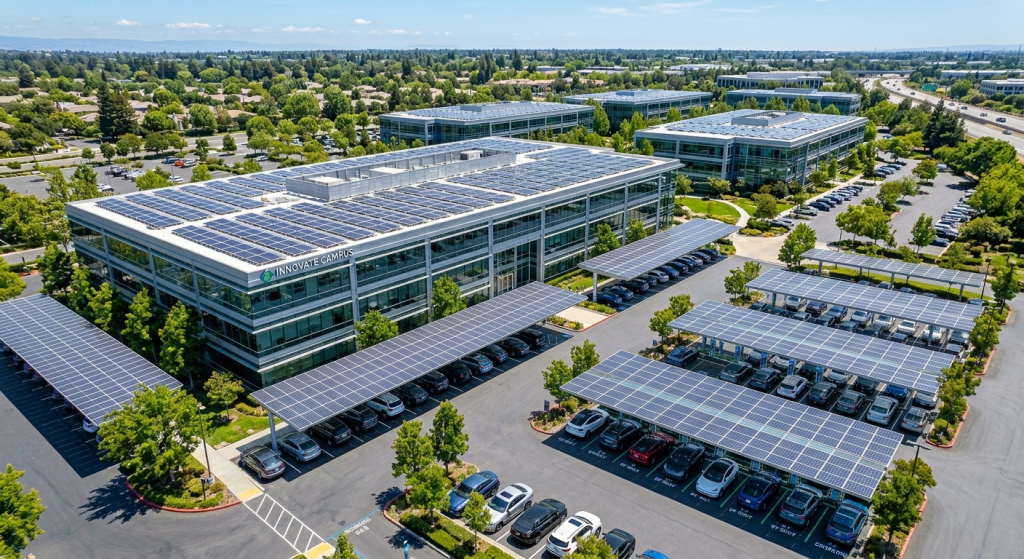
SCF specializes in financing commercial solar and EV projects. We make it easy for businesses to adopt sustainable practices without high costs. Our PPA model aligns perfectly with EV Charging as a service goals. Essentially, you can install solar panels and charging stations with no initial investment.
Key Features of SCF’s Financing:
- No Upfront Capital: Preserve your cash for core operational needs.
- Simplified Implementation: We manage the process from assessment to construction.
- Long-Term Savings: Benefit from predictable and lower energy rates.
- Environmental Impact: Reduce your carbon footprint effectively.
Conclusion
In summary, integrating infrastructure through EV Charging as a service offers clear benefits. It enhances customer experiences while creating new revenue. Our financing makes these technologies accessible and viable for any business. Because EV adoption is accelerating, embracing these solutions is a vital strategic move. If you are ready to start your transition, contact SCF today to speak with an expert.