
Transitioning commercial property to solar energy is a significant operational upgrade that offers substantial financial and environmental benefits. However, the process of a commercial solar panel installation involves more than simply placing panels on a roof. It is a multi-stage project requiring careful planning, engineering precision, and expert execution. Understanding the steps involved is critical for property owners and facility managers to ensure a smooth, efficient, and successful deployment.
This guide provides a detailed overview of the commercial solar panel installation process, from initial assessment to final commissioning. It also addresses familiar challenges and explains how partnering with experienced commercial solar developers and a dedicated third-party financing partner like Sustainable Capital Finance (SCF) mitigates risks and ensures project success.
The Step-by-Step Guide to Commercial Solar Panel Installation
A successful installation is the result of a systematic and well-managed process. Each phase is critical for ensuring the system is designed to meet performance expectations and built to last. The journey is typically managed by expert commercial solar developers who oversee every detail.
Step 1: Initial Site Assessment and Feasibility Study
The process begins with a comprehensive evaluation of the property. This is not just a quick walkthrough; it is a detailed analysis to determine the viability and optimal design for a solar array.
Key components of this phase include:
- Structural Analysis: Engineers inspect the roof to confirm its structural integrity and capacity to support the weight of the solar panels, racking, and associated equipment.
- Electrical System Review: The existing electrical infrastructure is evaluated to understand how the new solar system will interconnect with the building’s power grid.
- Shade Analysis: A detailed study is conducted to identify any potential shading from nearby trees, buildings, or other structures that could impact energy production throughout the day and year.
- Energy Consumption Audit: The developer analyzes the property’s historical energy usage data to size the system appropriately, ensuring it meets the organization’s needs without being over- or under-built.
Step 2: System Design and Engineering
Once feasibility is confirmed, the engineering phase begins. Using the data gathered during the site assessment, engineers design a custom solar energy system. This involves creating detailed electrical diagrams, structural plans, and layout specifications. The goal is to maximize energy production while adhering to all local building codes and electrical standards. The final design will specify the type and number of panels, the inverters to be used, and the mounting system.
Step 3: Permitting and Financing
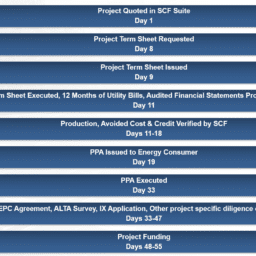
Before any physical work can begin, all necessary permits must be secured from local authorities, including the city, county, and local utility company. This can be complex and time-consuming, as jurisdiction requirements vary. Experienced commercial solar developers manage this entire process, ensuring all paperwork is filed correctly, and approvals are obtained in a timely manner.
Simultaneously, the financing for the project is finalized. For organizations utilizing a Power Purchase Agreement (PPA) through SCF, this step involves finalizing the contract. The PPA model removes the need for upfront capital from the property owner, as SCF provides full financing for the project.
Step 4: Procurement and Construction
With permits and financing in place, the developer procures all necessary equipment, including solar panels, inverters, racking, and wiring. The construction phase then commences.
The commercial solar panel installation process includes:
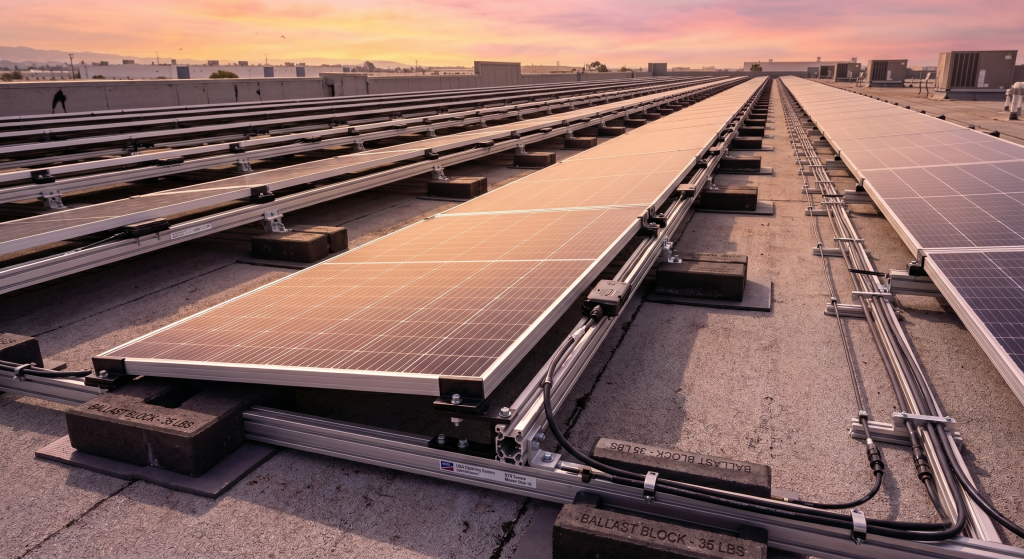
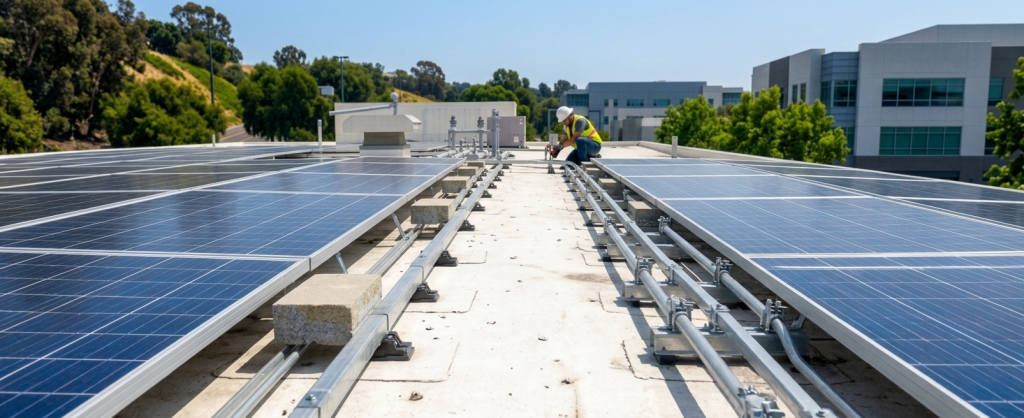
- Mounting the racking system on the roof or ground.
- Attaching the solar panels to the racking.
- Installing the inverters and connecting them to the panels.
- Running conduit and wiring to connect the solar array to the building’s electrical panel.
Safety is paramount during this phase. Professional installation crews adhere to strict safety protocols to protect both the workers and the property.
Step 5: Inspection and Interconnection
After the installation is complete, the system must be inspected by the local building department and the utility company. The building inspector verifies that the installation complies with all local building and electrical codes. The utility company inspects the system to ensure it is safe to connect to their grid.
Once both inspections are passed, the utility grants “Permission to Operate” (PTO). The system is then officially commissioned and begins generating clean energy for the property.
Common Challenges and How SCF Helps Overcome Them
While the installation process is straightforward when managed correctly, several challenges can arise. Partnering with the right team is crucial for navigating these potential hurdles.
Challenge 1: High Upfront Costs The capital required for a commercial solar project is often the biggest obstacle. Many organizations do not have the budget for such a large capital expenditure.
- SCF Solution: Our Power Purchase Agreement (PPA) model eliminates this barrier entirely. SCF funds 100% of the project cost, meaning the property owner pays nothing upfront. The client simply purchases the generated power at a low, fixed rate.
Challenge 2: Complex Permitting and Regulatory Hurdles Navigating the web of local and utility regulations can cause significant delays and frustration. Each municipality has different requirements, and mistakes can set a project back by months.
- SCF Solution: We partner with a nationwide network of vetted commercial solar developers who possess deep local expertise. These partners manage the entire permitting and interconnection process, leveraging their relationships with local authorities to ensure a smooth and timely approval process.
Challenge 3: Long-Term Performance and Maintenance A solar system is a long-term asset that requires ongoing monitoring and maintenance to perform optimally. For a business owner, this adds another layer of operational responsibility.
- SCF Solution: Under our PPA, SCF retains ownership of the system and is responsible for all operations and maintenance (O&M) for the life of the agreement. Our asset management team monitors system performance and coordinates any necessary maintenance, ensuring the system operates at peak efficiency without any effort required from the client.
Tips for Maintaining Your Solar Panels
If you choose a PPA, SCF is responsible for maintenance. However, if you own the system directly, proactive care is essential.
- Regular Cleaning: Keep panels free of dirt, dust, and debris, which can reduce energy production. This is especially important in dusty or agricultural areas.
- Visual Inspections: Periodically check for any visible damage to panels, racking, or wiring.
- Monitor Performance: Use the system’s monitoring software to track energy production. A sudden drop in output can indicate an issue that needs professional attention.
- Professional Servicing: Schedule periodic check-ups with a qualified solar technician to ensure all components are functioning correctly.
Conclusion
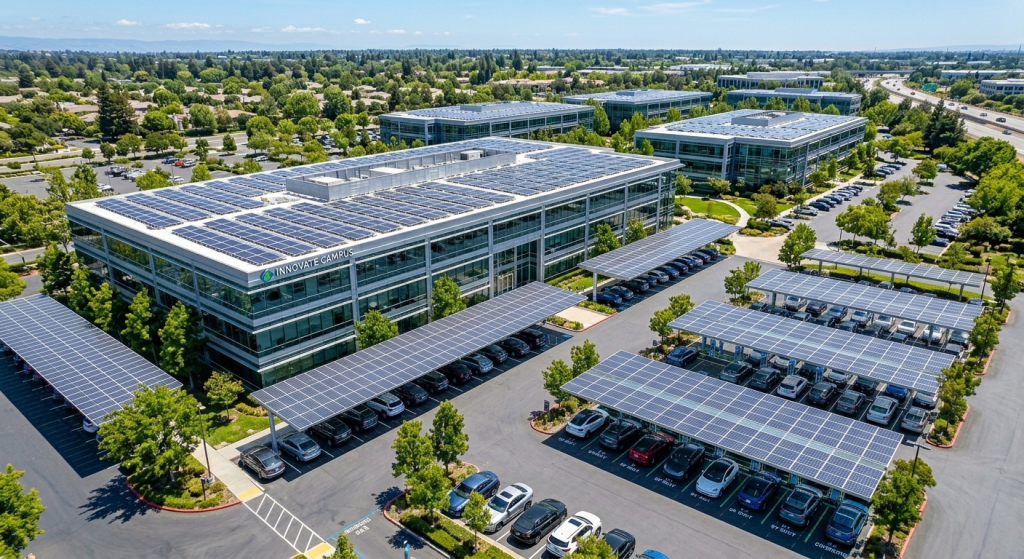
A commercial solar panel installation is a structured process that transforms an underutilized asset—like a rooftop—into a source of clean, cost-effective energy. From the initial assessment to final commissioning, each step requires specialized expertise to ensure a successful outcome. By understanding the process and partnering with experienced professionals, businesses can mitigate risks and unlock the full financial and environmental benefits of solar power.
Sustainable Capital Finance and our network of expert commercial solar developers simplify this journey. Our PPA financing removes the financial burden, while our partners provide the technical excellence required for a high-quality installation. This collaborative approach allows your organization to focus on its core mission while we handle the complexities of bringing your clean energy project to life.
Meta Title: Commercial Solar Panel Installation: What to Know | SCF
Meta Description: A guide to commercial solar panel installation. Learn the step-by-step process, common challenges, and how SCF offers solutions with zero upfront cost.